Health and Safety Policy for Business Waste Removal Penge
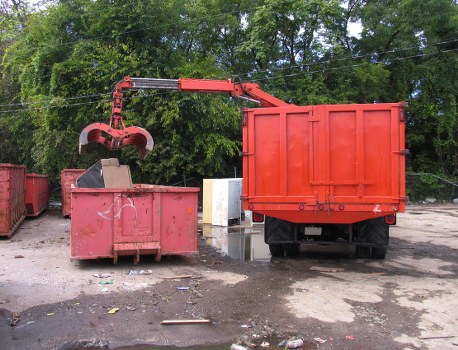 Purpose and Commitment: This health and safety policy sets out the standards and expectations for all staff, contractors and visitors involved in Business Waste Removal Penge operations. The company is committed to protecting the health, safety and welfare of employees and the general public when providing commercial rubbish removal and waste collection services. The policy applies to all activities including collection, transport, sorting and disposal of business waste. It emphasises proactive risk management, continual improvement and compliance with applicable health and safety regulations without focusing on specific local ordinances.
Scope and Application: This policy covers every aspect of the commercial waste service from job planning through to completion. It applies to permanent and temporary staff, driver/loader teams, third-party contractors and subcontractors engaged in business waste disposal or commercial rubbish clearance. Responsibilities are defined for leadership, supervisors and operators to ensure safe methods for dealing with bulky waste, general refuse and recyclable materials. Management will ensure adequate resources for safe working practices across the service area.
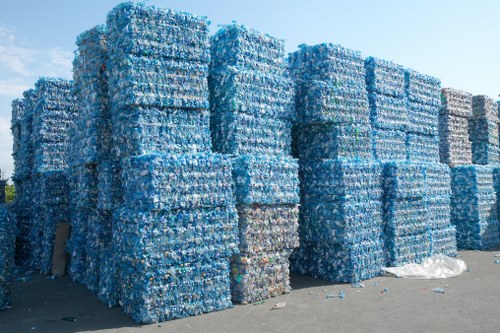 Risk Assessment and Control: Risk assessments will be carried out for all routine and non-routine activities, including manual handling, vehicle movements, site access and hazardous items segregation. Identified risks will be controlled using the hierarchy of controls: elimination, substitution, engineering controls, administrative controls and personal protective equipment (PPE). Controls must be recorded, reviewed and communicated to teams before work begins. The rubbish collection service will implement safe systems for separating hazardous, electronic and bulky commercial waste to reduce exposure and environmental risk.
Roles, Responsibilities and Training
All staff have a duty to work safely and to report hazards promptly. Managers and supervisors must ensure that safe operating procedures are established, maintained and enforced. Supervisors will carry out regular inspections and ensure staff are competent for the tasks assigned. A clear chain of responsibility supports safe business waste removal operations and encourages ownership of safety performance.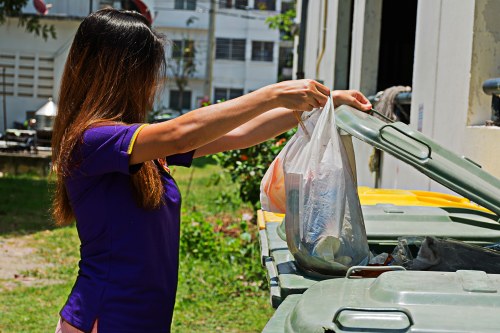
Operational Controls and Safe Working Practices
Vehicle safety, traffic management, waste segregation and site set-up are key operational controls for a rubbish company service area. Drivers and loaders must follow documented procedures for vehicle checks, load securing and reversing operations. Manual handling guidelines, mechanical aids and two-person lifts are mandatory for heavy items. Work areas must be kept tidy with access and egress routes clearly defined and illuminated. Strong emphasis is placed on communication between teams during collections, especially when operating near public thoroughfares.PPE and Protective Measures: Appropriate PPE must be provided, maintained and worn where risk assessments identify the need. This includes high-visibility clothing, gloves, protective footwear, eye protection and respiratory protection when required. Training on correct use, fitting and limitations of PPE will be provided. The company will ensure maintenance programmes for all protective equipment and tools to keep them in safe working order.
Handling Hazardous and Controlled Waste
Special procedures are in place for handling hazardous materials, sharps and controlled waste from commercial premises. These procedures include segregation, containment, labelling and documentation to ensure safe transport and appropriate disposal. Workers will be trained to recognise hazardous items and follow isolation procedures where immediate removal is unsafe. Where necessary, specialist contractors will be engaged to manage chemical, biological or regulated waste streams. Emergency Response and Incident Reporting: The company maintains an emergency plan covering spill response, first aid, fire and vehicle incidents. All incidents, near-misses and unsafe conditions must be reported without delay and recorded for investigation. Investigations will identify root causes and corrective actions to prevent recurrence. First aid arrangements are provided, and designated personnel are trained to respond effectively. Emergency procedures are regularly exercised and reviewed to remain current and effective.
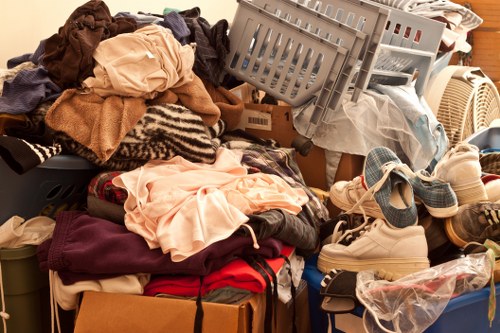 Monitoring, Review and Continuous Improvement: Performance will be monitored through regular audits, inspections and review of incident records and health surveillance where appropriate. Key performance indicators will include incident frequency, training completion, equipment maintenance and audit findings. Management will conduct periodic reviews of this policy and associated procedures to reflect operational changes, technological advances and learnings from incidents. Employees are encouraged to contribute suggestions for improvement and to participate in safety meetings and toolbox talks.
Communication and Documentation: Safety information, method statements and risk assessments will be accessible to all relevant personnel. Written procedures will be used for permit-to-work tasks and for any activity with identified higher risk. Records of training, competence and equipment checks will be retained to demonstrate compliance and to support ongoing safety management.
Policy Enforcement and Compliance: Failure to follow safety procedures may result in disciplinary action. The management team will ensure this policy is implemented and will provide leadership in safety matters. Contractors and suppliers engaged in business waste services are expected to adhere to equivalent standards. The company commits to meeting statutory requirements and recognised best practice for rubbish removal and commercial waste services.
Declaration: This policy is approved by senior management and will be reviewed annually or sooner if operational changes or significant incidents occur. It should be read in conjunction with specific operational procedures that control daily waste collection, transport and disposal activities.
