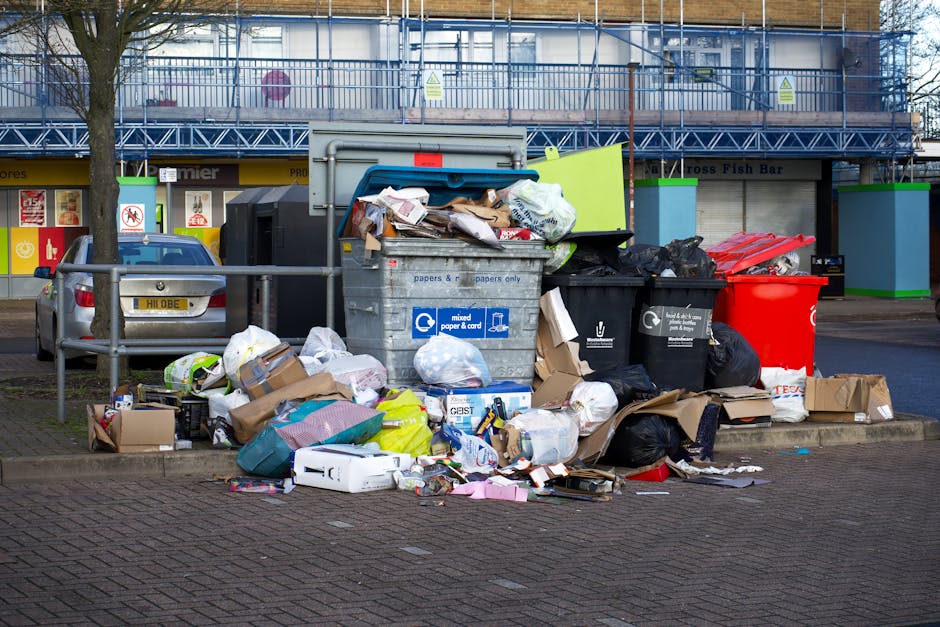
Rubbish removal guide for Penge High Street homes
If you live on or near Penge High Street, rubbish has a habit of building up in the places you least want it: the hallway cupboard, the side return, the loft, the back bedroom, even that one corner of the kitchen that somehow becomes a holding bay for broken chairs and old boxes. This Rubbish removal guide for Penge High Street homes is here to make the whole process feel a lot less stressful. It explains what counts as household rubbish, how home clearance usually works in practice, what to watch out for, and how to choose a sensible removal method without overpaying or making a mess of the job.
Truth be told, most people do not need a dramatic clean-out story. They just need a clear plan. Maybe you are clearing out after a move, dealing with bulky furniture, trying to reclaim a loft, or sorting a pile of mixed waste after decorating. Whatever the reason, the aim is the same: remove the clutter, stay compliant, and avoid turning a simple job into a Saturday-long headache.
Table of Contents
- Why rubbish removal on Penge High Street matters
- How the process works
- Key benefits and practical advantages
- Who this guide is for
- Step-by-step guidance
- Expert tips for better results
- Common mistakes to avoid
- Tools, resources and recommendations
- Law, compliance, standards and best practice
- Options and method comparison
- Real-world example
- Practical checklist
- Conclusion
- Frequently asked questions
Why rubbish removal on Penge High Street matters
Homes around Penge High Street come with a mix of everyday realities: terraced layouts, flats above shops, narrow access, shared entrances, limited parking, and the usual London squeeze for storage. That means rubbish removal is rarely as simple as dragging a few bags to the pavement. The right approach matters because the wrong one can block access, attract complaints, damage walls or stairwells, or leave you stuck with waste that should have gone somewhere properly managed in the first place.
There is also a practical side people often overlook. Clutter slows you down. A stuffed loft makes maintenance harder. Old furniture in a spare room makes decorating awkward. Unsorted junk in a garage can hide damp, pests, or forgotten items that should have been dealt with ages ago. And let's face it, most homes feel lighter the moment the rubbish is gone. You can almost hear the room breathing again.
For homeowners, landlords, tenants, and property managers, rubbish removal is less about "getting rid of stuff" and more about keeping a home usable. That includes handling bulky items safely, separating reusable pieces where possible, and avoiding quick fixes that create bigger problems later.
If you are planning a more complete house or flat clear-out, it can help to look at related services such as house clearance, home clearance, or flat clearance when your situation is more than a simple bin-bag job.
How rubbish removal on Penge High Street homes works
At a basic level, rubbish removal follows the same logic everywhere: identify what needs to go, separate items into sensible groups, choose the right collection method, and make sure the waste is handled lawfully. In a busy local street, though, the details matter more than the theory.
Most household clearances fall into a few broad stages:
- Sort the items into general waste, bulky furniture, reusable goods, appliances, garden waste, and anything hazardous.
- Check access for stairs, tight hallways, parking constraints, and loading space near the property.
- Decide the removal method based on volume, weight, urgency, and whether you need help with lifting.
- Set aside restricted items such as fridges, chemical products, paint, batteries, or anything you are unsure about.
- Arrange collection and make sure the removal team knows about awkward access or shared entrances.
- Confirm disposal and recycling expectations so you know the waste is being managed responsibly.
For many homeowners, the easiest route is a professional waste collection rather than hiring equipment and making multiple trips. The important thing is matching the method to the job. A few black bags are one thing. A full dining set, mattress, broken wardrobe, and bathroom rip-out debris is another story entirely.
If you are comparing disposal types, it can also help to read about waste removal as a broader service and, where items are still in usable condition, furniture clearance or furniture disposal.
Key benefits and practical advantages
Good rubbish removal is not just about tidiness. It saves time, reduces risk, and often makes a property easier to live in almost immediately. Below are the benefits that matter most to homeowners on or near Penge High Street.
- Less physical strain - Heavy items, awkward bags, and awkward stairs are exactly where people end up hurting themselves. Moving waste properly matters.
- Faster turnaround - A planned collection can clear a room, hallway, or garden space in one go rather than over several weekends.
- Better use of space - Clearing junk often reveals a room that can finally be used again. Amazing what a bit of space does to your mood.
- Cleaner, safer home environment - Fewer trip hazards, less dust, fewer hidden corners for damp or pests.
- More suitable for local property layouts - Flats, maisonettes, and tighter terraced homes often need a method that works with stairs and limited access.
- Improved disposal standards - Responsible removals support recycling, donation where appropriate, and safer handling of regulated waste.
There is also a quieter benefit: peace of mind. When waste has been taken away correctly, you stop wondering whether the pile in the corner is going to become tomorrow's problem. That is worth something, even if it is hard to measure.
Who this guide is for and when it makes sense
This guide is for anyone living in Penge High Street homes who wants a practical, straightforward way to deal with unwanted rubbish. That could mean a detached or semi-detached homeowner, someone in a converted flat, a landlord preparing between tenancies, or a tenant trying to leave a property tidy before check-out.
It makes particular sense if you are dealing with any of these:
- Old furniture that is too bulky for normal bin collection
- Bagged waste from a deep declutter
- Garage or loft junk that has built up over years
- Garden cuttings, broken plant pots, and outdoor clutter
- Mixed items after a refurb or redecorating job
- Appliances that need careful disposal
- Waste from a move, bereavement, or major life change
For some homes, a focused clearance is enough. For others, especially where the place has been neglected or is being prepared for sale, a broader service may make more sense. In that case, a more complete house clearance or home clearance can be more efficient than trying to tackle each room separately.
And if you are in a flat or upper-floor property, the lifting and stair access issue alone can tip the decision towards professional help. Nobody wants to lug a sofa down three floors, realise it will not fit through the front door, and then have to start again. Been there, or close enough.
Step-by-step guidance
Here is a simple, workable process for organising rubbish removal without making life harder than it needs to be.
1. Walk through the property room by room
Start with a slow sweep. Look in cupboards, corners, the loft hatch, under beds, sheds, and any "temporary storage" areas that have become permanent. Make a rough list of what needs to go. Do not worry about perfection at this point. A blunt list is better than an overthought one.
2. Separate waste by type
Grouping items makes the job easier and usually cheaper to manage. The main categories are:
- General household rubbish
- Bulky furniture
- Appliances and electrical items
- Garden waste
- Builders' or renovation waste
- Potentially hazardous materials
That last one deserves extra care. Paints, solvents, chemicals, and some old cleaning products should not be treated like ordinary rubbish. If you are unsure, pause and get proper guidance before moving them.
3. Measure large items and check access
This is the bit people skip, then regret. Measure sofas, wardrobes, mattress sizes, fridge dimensions, and any awkward items with fixed handles or wheels. Also look at stair widths, tight landings, cellar steps, shared hallways, and parking arrangements.
If the property has a narrow entrance or restricted loading space, mention it early. It saves time and avoids that awkward moment where everyone stands on the pavement doing a silent geometry problem.
4. Choose the right disposal route
For smaller jobs, a simple collection may be enough. For mixed waste, bulky furniture, or heavier loads, it is often worth using a professional service that can load, transport, and dispose of the material in one visit. If you are comparing options, see pricing and quotes so you can understand how jobs are usually assessed.
5. Set aside anything that needs special handling
Some items need extra attention because of safety, hygiene, or compliance. That includes fridges, freezers, mattresses, broken sofas, confidential paperwork, and specific hazardous waste. If you have any of those, it is better to mention them upfront rather than burying them in the general pile.
6. Confirm timing and finish the space properly
Clear the route to the exit, protect floors if needed, and keep children or pets away while loading is underway. Once the waste is removed, do a quick final check. You will often spot one or two items you forgot. That happens all the time, honestly.
Expert tips for better results
A few small decisions can make a rubbish removal job far smoother.
- Declutter before the collection date - If possible, sort one day in advance. Rushing on the morning of collection tends to create chaos.
- Break down what you can - Flat-pack furniture, boxes, and some shelving can be dismantled to save space and labour time.
- Keep reusable items separate - A service may be able to prioritise reuse or recycling when items are kept clean and separated.
- Group waste by room - This helps you spot missing items and makes loading more efficient.
- Label anything uncertain - A simple note like "check before moving" is surprisingly helpful for hazardous or fragile items.
- Plan around neighbours - On a busy street, a short loading window or school-run hour can matter more than you think.
Here is a small but useful habit: take photos of the waste before the collection. Not for drama. Just for clarity. If anything is disputed later, you know exactly what was there and how much space it took up.
If the job includes old beds, damaged seating, or a musty mattress that has seen better days, look at mattress and sofa disposal for more specific handling needs. And if you have a fridge or white goods to move, fridge and appliance removal is the safer route.
Common mistakes to avoid
Most rubbish removal mistakes are avoidable. That is the good news. The bad news is they are also very common.
- Mixing hazardous waste with general rubbish - This can create safety and disposal issues very quickly.
- Underestimating how much there is - A loft "clear-out" often becomes a full house load once people start opening boxes.
- Forgetting about access - Stairs, locks, parking, and narrow gaps all affect how the job gets done.
- Leaving the sorting until collection day - You end up paying in time and stress.
- Assuming every item can go the same way - It cannot. That is just how household waste works.
- Ignoring local responsibilities - Leaving rubbish out improperly can create nuisance, block access, or result in complaints.
Another mistake is thinking that everything old is waste. Some things should be reused, repaired, donated, or sold if they are still in decent condition. You do not need to become a second-hand dealer, but a bit of judgement goes a long way.
Tools, resources and recommendations
You do not need a van full of equipment to prepare for rubbish removal, but a few basics help a lot.
| Tool or resource | Why it helps | Best for |
|---|---|---|
| Strong bin bags | Safer handling of light mixed waste | General household clear-outs |
| Gloves | Protects hands from dust, sharp edges, and grime | Lofts, garages, gardens |
| Tape measure | Checks access and item size before lifting | Bulky furniture and appliances |
| Marker pen and labels | Keeps items organised and easy to identify | Mixed clearances |
| Dust sheets or floor protection | Helps prevent scuffs during loading | Stairs, hallways, and flats |
| Phone camera | Creates a quick record of what needs removing | Before-and-after planning |
In terms of service pages and planning information, these are the most useful starting points: what can go in a skip if you are weighing up skip-style disposal, recycling and sustainability if you want to understand responsible handling, and book online if you are ready to arrange collection.
Expert summary: For Penge High Street homes, the best rubbish removal method is usually the one that matches the access, item type, and urgency of the job. Measure first, separate waste properly, and do not leave questionable items until the last minute.
Law, compliance, standards and best practice
Waste removal in the UK is not just a logistics issue; it is also a responsibility issue. Homeowners do not need to become legal specialists, but they should be careful about who handles their rubbish and where it ends up. If waste is removed improperly, the original householder can still have questions to answer if it has been handed to the wrong person or dumped irresponsibly.
The safest approach is to use a provider that can explain how waste is handled, what happens to recyclable material, and how higher-risk items are managed. Good practice also means checking that access routes are safe, lifting is sensible, and hazardous items are segregated. The basic standard is simple: do not make disposal someone else's problem in a way that creates risk.
If you are dealing with builders' debris from a refresh or renovation, the standards around separation and handling matter even more. In that case, builders waste clearance is a more suitable route than mixing heavy rubble with household rubbish.
Insurance and safe handling also matter in real-world terms. A properly managed collection should protect people, property, and shared access areas. You can read more about that on insurance and safety and the company's health and safety policy. It is not glamorous reading, fair enough, but it tells you a lot about how a job is likely to be run.
Options and method comparison
Different rubbish removal methods suit different homes, volumes, and budgets. Here is a practical comparison.
| Method | Best for | Advantages | Trade-offs |
|---|---|---|---|
| DIY trips to the tip | Very small amounts of waste | Full control, no booking needed | Time-consuming, physical effort, vehicle access required |
| Skip hire | Ongoing renovation or large mixed loads | Good for staged clear-outs, flexible loading | Needs space, loading discipline, and planning |
| Man and van / collection service | Bulky household rubbish and quick clearances | Fast, labour included, less lifting for you | Less ideal if you need a long-term fill-up option |
| Specialist item disposal | Appliances, mattresses, sofas, hazardous items | Safer and more compliant for specific waste types | May require item-by-item planning |
The best option depends on how much you need to remove, how quickly you need it gone, and how easy your property is to access. For a compact flat off Penge High Street, a collection service may be the neatest answer. For a renovation with plaster, timber, and mixed debris, skip-related planning may be more practical. If you are not sure, compare the job against the likely volume and lifting effort, then work backwards from there.
Real-world example
A fairly typical Penge High Street scenario goes like this. A homeowner decides to clear a spare room that has turned into a storage overflow point. There is an old wardrobe, a broken office chair, several bags of mixed clutter, a mattress, and a small appliance that has not worked for years. The hallway is narrow, the staircase bends awkwardly halfway up, and the front door opens straight onto a busy pavement.
Instead of trying to move everything piece by piece over a whole weekend, they sort the items the night before. Furniture is separated from general waste. The appliance is set aside. A quick measure confirms that the wardrobe needs dismantling before it can come out safely. The collection is arranged with the access details explained in advance, including the stairs and the limited loading space outside.
On the day, the room is cleared in a single visit. Floors stay intact, neighbours are not inconvenienced for long, and the homeowner gets a room back that had been unusable for months. It sounds simple, and in many ways it is. But the easy result only happens because the prep was done properly. That is the bit people miss.
For a more complete property-wide job, the same approach often applies to loft clearance, garage clearance, or even garden clearance when outdoor space has become the holding area for everything else.
Practical checklist
Use this checklist before you book or begin a rubbish removal job at a Penge High Street home.
- Walk through every room and note what needs to go
- Separate general rubbish from bulky items and special waste
- Measure large objects and check stair or doorway access
- Move anything fragile, personal, or valuable out of the way
- Label hazardous or uncertain items clearly
- Confirm parking, loading, and entry arrangements
- Ask how furniture, appliances, and mixed waste will be handled
- Check whether any items could be reused or recycled
- Keep pets and children away during loading
- Do a final sweep once the waste has been removed
That last one is worth saying twice. Do a final sweep. It catches the stray charger, the spare bracket, the one forgotten box in the corner. Small things, but they matter.
Conclusion
A sensible rubbish removal plan makes a huge difference to homes on Penge High Street. The street setting, access issues, and mix of property types mean that a bit of preparation goes a long way. Once you understand what needs to be removed, how different waste types should be handled, and which disposal method fits your home, the whole job becomes far more manageable.
Keep it simple: sort first, measure second, choose the right method, and only then book the collection. That approach saves time, reduces stress, and makes it much more likely that the waste will be dealt with properly the first time. And honestly, there is something quietly satisfying about seeing a cleared room at the end of the day. It just feels better.
Get a free quote today and see how much you can save.
Frequently Asked Questions
What counts as rubbish removal for a Penge High Street home?
It usually covers general household waste, bulky items, unwanted furniture, old appliances, garden debris, and mixed clear-out waste. If the item is awkward, heavy, or not suitable for normal bin collections, it is likely part of a rubbish removal job.
Is rubbish removal better than skip hire for a house on Penge High Street?
It depends on the job. If you need a quick, labour-included removal of bulky waste, a collection service is often simpler. If you are clearing waste over several days during a renovation, skip hire may be more practical. Access and parking matter a lot too.
Can I put a mattress or sofa with general rubbish?
Usually not if you want the job handled properly. Mattresses and sofas are best treated as separate bulky items. They often need specific handling, so look at mattress and sofa disposal before you book.
What should I do with old appliances like fridges or freezers?
Set them aside and mention them clearly when arranging removal. White goods often need specialist handling because of weight, components, and disposal rules. Fridge and appliance removal is the safer choice.
How do I know if an item is hazardous waste?
If it contains chemicals, solvents, oil, unknown liquids, batteries, pressurised contents, or strong fumes, treat it with caution. Paint tins, some cleaning products, and certain DIY materials can fall into this category. If unsure, do not mix them with ordinary rubbish.
Do I need to sort my rubbish before collection?
Yes, as much as possible. Sorting waste by type makes the job safer, quicker, and usually more efficient. It also helps with recycling and avoids awkward surprises on the day.
Can rubbish removal include loft or garage clear-outs?
Absolutely. Loft clearance and garage clearance are common reasons people book rubbish removal, especially when the space has become packed with old boxes, furniture, tools, or forgotten seasonal items.
How far in advance should I plan a clearance?
For a small job, not long at all. For a larger home clearance or anything involving awkward access, it is better to plan ahead so you can sort items, measure access, and avoid last-minute stress.
What if I live in a flat above a shop on Penge High Street?
Then access planning becomes even more important. Narrow stairwells, shared entrances, and loading restrictions can affect the job. Flat clearance is often the better fit for those properties because it takes access into account from the start.
Will everything be recycled?
Not everything, but responsible waste handling should separate recyclable material where possible. Mixed loads, damaged items, and contaminated waste may not be recyclable, but usable or recoverable material should be assessed properly.
How do I compare rubbish removal quotes fairly?
Compare what is included: labour, loading, transport, disposal, special item handling, and any access assumptions. A cheap headline price is not always a good deal if it leaves out the hard part of the job. Checking pricing and quotes can help you understand what to ask.
What is the best first step if my home is full of mixed clutter?
Start by separating obvious categories: general waste, furniture, appliances, garden items, and anything hazardous. That one step clears the fog quickly and makes the rest of the job feel less overwhelming. Small start, big difference.
If you are ready to move from planning to action, it may also help to review the company's about us page, then make use of the book online option when the job is clear in your mind. A tidy home starts with one honest look at the mess, and from there it gets easier.